Épanvie
Luxury of Expression - BlinkGlee™: The Sheer Joy of Creating Things For Absolutely No Reason
-By The Épanvie Collective
11 min read


Luxury of Expression - BlinkGlee™— The Sheer Joy of Creating Things For Absolutely No Reason
You used to make things.
Maybe you sketched in notebooks during boring meetings. Spent Saturday mornings detailing your car until it gleamed. Cooked elaborate Sunday dinners just because. Arranged flowers from the grocery store. Built model planes or ships with the kind of focus usually reserved for surgery. Hosted impromptu dinner parties where the main course was conversation and nobody photographed the food.
Then somewhere around age 35, or was it 45, someone—probably the internet—whispered a terrible lie into your ear: “post your life and get more likes. And be liked.”
And just like that, creativity died a quiet, unlikeable death.
Now you can’t sketch without wondering if you should get feedback first. Can’t cook an ambitious meal without photographing it for validation. Can’t restore that vintage motorcycle in your garage without someone asking “but what’s it worth?” Can’t host people without it becoming a production worthy of a lifestyle blog.
Everything creative got professionalized. Optimized. Turned into a post, content, side hustles, reels. We stopped making things for joy and started making things for metrics, followers, and the slim possibility of being a celebrity doing it.
There’s a different way to approach creativity. One we’ve been noticing in European attitudes toward amateur pursuits.
Luxury of Expression: BlinkGlee™ and the Joy of Amateur Creativity
There’s something we’ve observed in European—particularly French and Italian—approaches to creativity that feels worth exploring: a comfort with doing things for pleasure without needing them to be perfect, posted all over social media or documented.
Picture a man spending his entire Sunday restoring a vintage Citroën in his garage. Not because he’s flipping it for profit, but because working with his hands on something beautiful brings him joy. No progress photos. No waiting for likes on Facebook. Just the satisfaction of the work itself. Or a Parisian table set with care, using the good linens and actual napkin rings, the fancy plates and glasses, served in your favorite kitchen trays, not for important guests or content creation, but because making an ordinary meal feel special is its own reward. Or grandfather making fresh pasta from scratch, teaching his grandson the technique, not to create a pasta empire or prove anything, but because making pasta is meditative, delicious, and connects him to generations who did the same.
We’re drawn to this approach. This is what we’re calling BlinkGlee™—the practice of creating, making, hosting, arranging, building, or expressing purely for the pleasure it brings you. Not for validation. Not for performance. Not for posting. Just for joy. And lots of it.
It’s embracing the amateur spirit in its truest sense. “Amateur” from the Latin “amator”—a lover, admirer or devotee. Someone who does something out of love, not for money or professional status.
What Happened To Our Joy?
Somewhere in the last decade, we professionalized being human. You can’t just enjoy cooking anymore. You need to document it, optimize your 'mise en place,' maybe start a food blog, definitely have opinions about cast iron seasoning that you’ll defend in internet comments. Our joy was lost. This art dimmed.
You can’t just tinker with cars in your garage. That’s content creation now. Better get the lighting right for the YouTube channel you haven’t started yet, but feel vaguely guilty about not starting.
You can’t sketch for fun. That’s wasting your talent. Shouldn’t you be building a portfolio? Taking commissions? Selling prints? Growing your following?
You can’t host a casual dinner. That requires a theme, a perfectly curated playlist, a charcuterie board worthy of Pinterest, and probably a signature cocktail with a clever name. Bonus points if you can post it live.
We turned joy into hustle and wondered why everything feels like work.
Here’s what gets lost in this professionalization of pleasure and perfection of every art: the point of creative activities isn’t the output. It’s not the finished painting or the restored motorcycle or the perfect soufflé or the dinner party that goes viral.
The point is the doing. The process. The luxury of expression. The pleasure of making something with your hands, your mind, your care—regardless of whether anyone else ever sees it, values it, or pays for it. You did it and that’s all that matters.
There’s something to learn from cultures that still value of artistic pleasure for its own sake—where productivity doesn’t have to justify everything.
Introducing BlinkGlee™: Joyful Creating Without Purpose
BlinkGlee is the practice of doing creative things purely because they bring you fun and joy. Not because you’re good at them. Not because they’ll make money. Not because they’re impressive or shareable or on-brand for the life you’re trying to project. Just because the act of creating—whatever form that takes for you—makes being alive feel more alive, and sometimes full of glee.
What’s your BlinkGlee™ Moment?
This looks different for everyone:
For some, it’s working with their hands. Woodworking in the garage. Restoring old furniture. Rebuilding engines. Detailing cars until they shine. Leather crafting. Building models with the patience of someone who has nowhere more important to be. The pleasure is in the making, the problem-solving, the transformation of raw materials into something functional and beautiful.
For others, it’s making food beautiful. Cooking elaborate meals for no special occasion. Baking bread from scratch just to watch it rise. Learning to make the perfect espresso or the ideal old fashioned. Setting the table with care even when it’s just you. The ritual of preparation, the alchemy of flavors, the pleasure of feeding yourself and others well.
Some find it in arranging beauty. Interior decorating, finding the lamp that matches the coffee table to create the warm vibe, arranging fresh flowers on the counter (grocery store, not fancy—it’s the arrangement that matters). Styling the bathroom until the colors and textures feel right and relaxing. Curating a vintage record collection and actually playing the records. Creating a corner of your home that just feels good to look at. Not for guests. For you.
Others express through personal style. Wearing the watch collection you’ve been building for years. The leather boots you baby with proper care. The vintage blazer you had tailored to fit perfectly. Dressing well not for anyone else’s approval, but because putting thought into how you present yourself is a form of self-respect and creative expression.
Many find it in social gathering, creating atmosphere for people you care about. Curating the playlist. Mixing the drinks with care. Cooking food meant to be shared. The art isn’t just the meal—it’s the entire experience you’re crafting. The conversation, the warmth, the connection. You’re creating an Atmoswirl™—that invisible emotional lift so high, that happens when someone puts thought and care into making a moment special
The form doesn’t matter. What matters is this: are you doing it because it brings you joy, or because you think others may appreciate it?
Permission to Just Be
Here’s the uncomfortable truth about BlinkGlee™: you might not be very good at the things you do for joy. Your sketches might be technically terrible. Your homemade pasta might be lumpy. Your car restoration might take three years longer than it should. Your dinner parties might feature store-bought dessert and mismatched chairs. Your flower arrangements might look enthusiastically assembled. Your woodworking projects might have visible imperfections.
No judgement.
The whole point of amateur creativity is that you’re doing it for love, not mastery. You’re creating for the pleasure of creating, not for the validation of an audience or the profit of a marketplace.
There’s something freeing in the European comfort with amateur status. Think of the simple French dinner party: good bread, excellent cheese, wine the host genuinely likes, and fruit from the market. No apologies for not being a Michelin chef. The pleasure is in the gathering, not the performance of culinary excellence.
Or the backyard vegetable garden, smaller and scrappier than the ones in magazines, but tended with genuine pride. The vegetables aren’t being grown to prove anything. They’re grown because there’s something deeply satisfying about putting seeds in soil and eating what emerges. The carrots are misshapen and the tomatoes have different sizes. And they were delicious.
The Luxury of Expression - Doing Something Just For Love
We’ve lost this comfort. We think if we’re going to do something, we need to do it perfectly, professionally, or not at all. So, we end up doing… nothing. No creativity. No making. No expressing. Just consuming other people’s creativity while vaguely feeling we should be creating our own but never quite starting because what’s the point if we’re not going to be great at it?
The point is the joy. The point is always the joy.
The Pleasure Is In The Making
There’s a specific kind of satisfaction that comes from making something with your own hands, mind, and care. It’s different from the satisfaction of buying something, achieving something, or consuming something. When you restore a piece of furniture, there’s the pleasure of the transformation—seeing something neglected become beautiful again through your effort. When you cook a complicated dish and it works, there’s the satisfaction of mastery over ingredients, heat, timing. When you arrange flowers and suddenly the combination feels right, there’s aesthetic pleasure that no amount of scrolling can replicate. This is what we’re missing when we professionalize everything: the pure, uncomplicated pleasure of making for its own sake. Just for the sensory, focused, present pleasure of creating something that didn’t exist before you made it.
This is BlinkGlee™. And it’s one of the most radical things you can do in a culture that demands everything be monetized, optimized, and turned into content.
How to Practice BlinkGlee™
The beautiful thing about BlinkGlee™is that you probably already know what brings you creative pleasure. You just stopped doing it because it didn’t seem productive enough, profitable enough, or impressive enough.
Here’s how to start again:
1. Reclaim One Creative Practice
Think back to what you used to do before creativity became currency. What did you make, do, or create just because you enjoyed it
Maybe you used to:
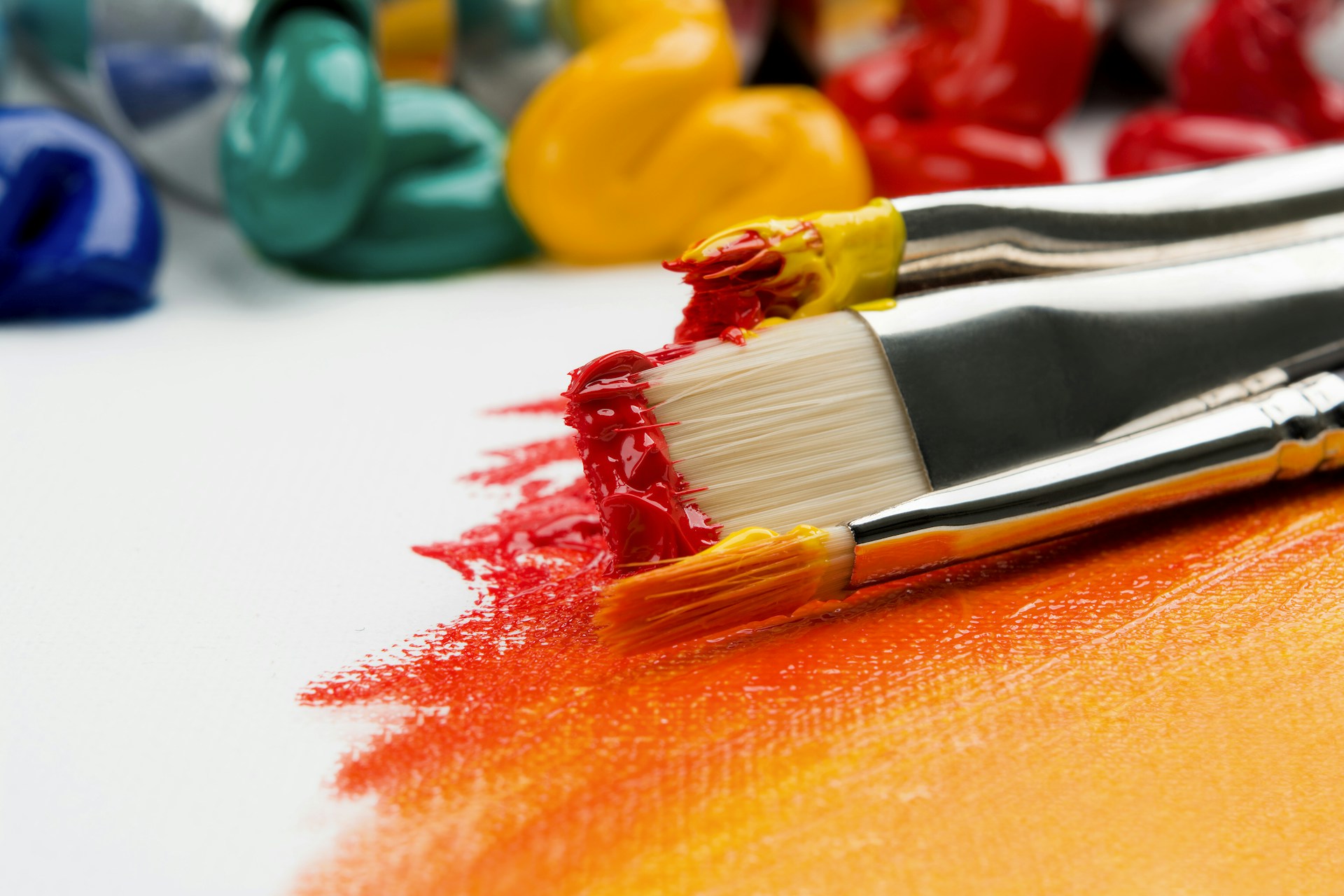
-Sketch or draw or paint without caring if it was “good"
-Cook elaborate weekend meals for the pleasure of it
-Restore or work on cars, motorcycles, or bicycles
-Build models, furniture, or woodworking projects
-Play an instrument without needing to perform
-Garden, even if things died sometimes
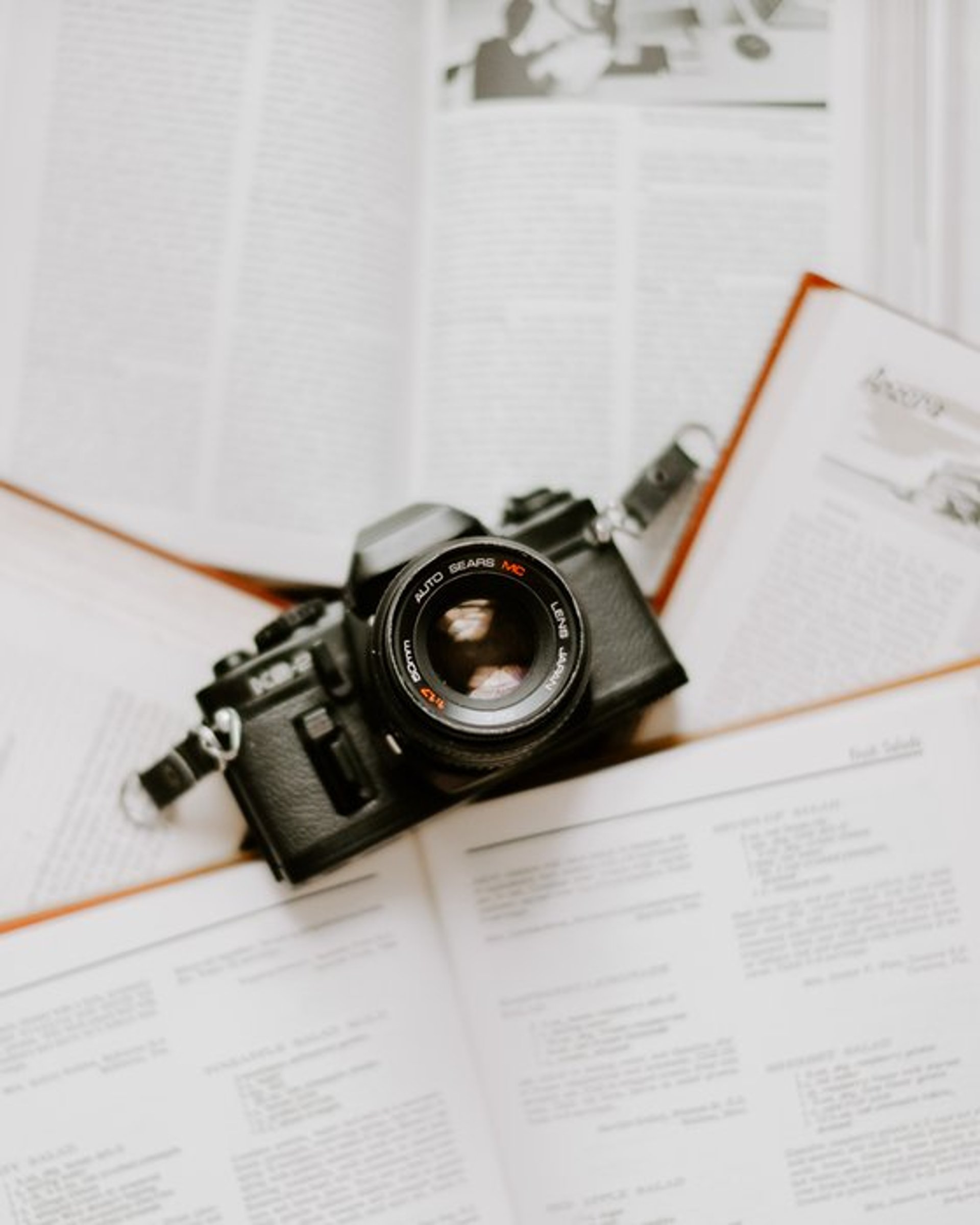
-Photograph things just because they looked interesting
-Write—poetry, stories, anything—without needing an audience
-Arrange flowers, style spaces, curate collections
-Host people without it being a production
-Brew beer, roast coffee, cure meats, ferment things
-Restore vintage items—watches, cameras, typewriters, fountain pens
-Detail your car until it gleamed, not for resale value but for the satisfaction
Pick one thing. Not three. Not seven. One.
The thing that, when you think about doing it again, makes you feel a small spark of “oh yeah, I used to love that.”
2. Give It Space in Your Week
You don’t need hours. You need permission and a small window of time where you’re not optimizing, monetizing, or documenting.
Sunday morning - with coffee and a sketchbook.
Thursday evening - in the garage working on that project.
Saturday afternoon - cooking something ambitious just to see if you can.
Wednesday after work - arranging the flowers you grabbed at the market.
The frequency doesn’t matter. What matters is regularity without pressure. This is your time to make something for absolutely no reason other than it brings you pleasure.
3. Resist the Urge to Professionalize
This is the hard part. Your brain, thoroughly trained by productivity culture, will immediately want to optimize this joy.
“I should start an Instagram for this.”
“Maybe I could sell these.”
“I bet I could turn this into a side hustle.”
“I should take a course to get better at this.”
“What if I started a YouTube channel documenting the process?”
Pause. This is how joy dies.
You’re not doing this to monetize it. You’re not doing this to build an audience. You’re not doing this to prove you’re talented or productive or worthy. You’re doing this because creating things with your hands, your mind, your care is one of the fundamental pleasures of being human, and you deserve to experience that pleasure without it needing to generate income or internet points. Sure, maybe you’ll one day end up building a profitable empire from this, but today, you’re doing it for pure joy. Keep it amateur. Keep it imperfect. Keep it yours.
Share It (Or Don’t)
Here’s where BlinkGlee gets interesting: sharing creative work can be part of the joy, but only if you’re sharing for connection, not validation.
Cooking a meal and sharing it with people you care about? The sharing enhances the pleasure. Sometimes.
Hosting a small gathering where you’ve put care into the atmosphere, the food, the music? That’s creating Atmoswirl—that invisible emotional lift that happens when someone makes a moment feel extra special. The gathering IS the creative expression. Some people genuinely enjoy documenting their creative process. If you’re one of them and you can do it without needing the validation, great. But be honest about whether you’re sharing for joy or for approval.
What Happens When You Create for Joy?
We’ve been practicing BlinkGlee for a while now, and here’s what we’ve noticed: The creating is the reward. Not the finished product, not the recognition, not the potential income. The hours spent working with your hands, solving problems, making decisions about form and function and aesthetics—that’s where the pleasure lives.
You become more present.
There’s something about making things that demands your attention in a way that consumption never does. When you’re sketching, cooking, building, arranging—you’re there. Fully. Your brain can’t be in seventeen places because the work requires focus.
You feel more yourself.
Creative expression is how you show up in the world as distinctly you. Not performing a role, not optimizing for algorithms, not trying to be impressive. Just expressing your particular taste, style, and way of seeing things.
Life feels richer.
Days that include creating something feel fuller than days spent only consuming. Even thirty minutes of making, hosting, or crafting adds texture to ordinary time.
You care less about perfection.
Once you start creating regularly for joy rather than judgment, the need for everything to be perfect starts to fade. Imperfect becomes interesting. Amateur becomes honest. Process becomes more valuable than product.
The Atmoswirl Effect
Here’s something specific that happens when you practice BlinkGlee, particularly the kind that involves creating experiences for others: you generate what we call Atmoswirl™—that invisible but palpable shift in energy when someone has put care and creativity into making a moment special. It’s the difference between eating takeout in front of the TV and eating the same food at a table you set with intention, maybe with good music, actual plates instead of containers. It’s what happens when you host people and you’ve thought about the lighting, the playlist, the flow of the evening. Not in a performative “look at my hosting skills” way, but in a “I want the people I care about to feel welcomed and comfortable” way. It’s the energy shift when someone walks into a room where you’ve arranged things with care—fresh flowers, books stacked thoughtfully, lighting that feels warm. They can’t always articulate what’s different, but they feel it.
This is BlinkGlee at its most generous: using your creative energy to enhance not just your own experience but the experience of people you care about. Creating atmosphere, ambiance, moments that feel a little more special than they had to be.
Pick Your BlinkGlee Practice This Week
Choose one form of BlinkGlee to explore:
-Make something with your hands. Sketch, cook something ambitious, work on that project in the garage, build something, arrange something. Spend an hour creating purely for pleasure. No posting, no pressure, no purpose beyond the joy of making.
-Host something small. Invite one friend for coffee. Cook dinner for your family with care. Set the table like it matters. Create a small Atmoswirl. Practice generous creativity.
-Revive an abandoned practice. That instrument you haven’t played. The craft supplies gathering dust. The hobby you loved before life got busy. Spend time with it again, not to master it, but to remember why you loved it.
-Care for something beautiful. Detail your car. Polish your leather shoes. Condition your cast iron. Tend your plants. Oil your wooden cutting board. The maintenance of beautiful things is its own form of creative expression.
The point isn’t to become great at this. The point is to remember that creating things for absolutely no reason other than joy is one of the most human things you can do.
Welcome to BlinkGlee. We’re making things for love. The Luxury of Expression. Join us.
-----
*This week at Épanvie: We’re hosting a small dinner party with the special chairs (the one we usually reserve for VIP guests), serve the "experimental" lasagna, store-bought dessert, and zero plans to document it. The only goal is good conversation and genuine laughter. Wish us luck.

Connect
Join our circle for thoughtful Épanvie moments.
your community
contact@epanvie.com
© 2025. All rights reserved.
PRIVACY AND LEGAL DISCLAIMER.
Content is for informational and entertainment purposes only. Not medical, veterinary, legal, financial, or professional advice. Laws and regulations vary by country. Some content may be fictional. Product is for general information only. Results not guaranteed. We may earn commissions from affiliate links. Full Privacy Policy and Disclaimer for details. Last Updated: [January 19, 2026] Effective Date: [January 10, 2026]
© [2026] Epanvie. All rights reserved.
My post content